Sun spots are areas of concentrated pigmentation that can develop after years of exposure to sunlight. Commonly appearing across the face, hands, arms, shoulders and décolletage, these flat brown marks can become more noticeable over time and contribute to an uneven or sun-damaged appearance.
At Empress Lasers, our sun spot removal treatments are designed to precisely target unwanted pigmentation and improve the overall clarity of your skin. Following an initial assessment, we tailor treatment to your skin and pigmentation, helping to reduce visible sun spots and create a brighter, more even-looking complexion.
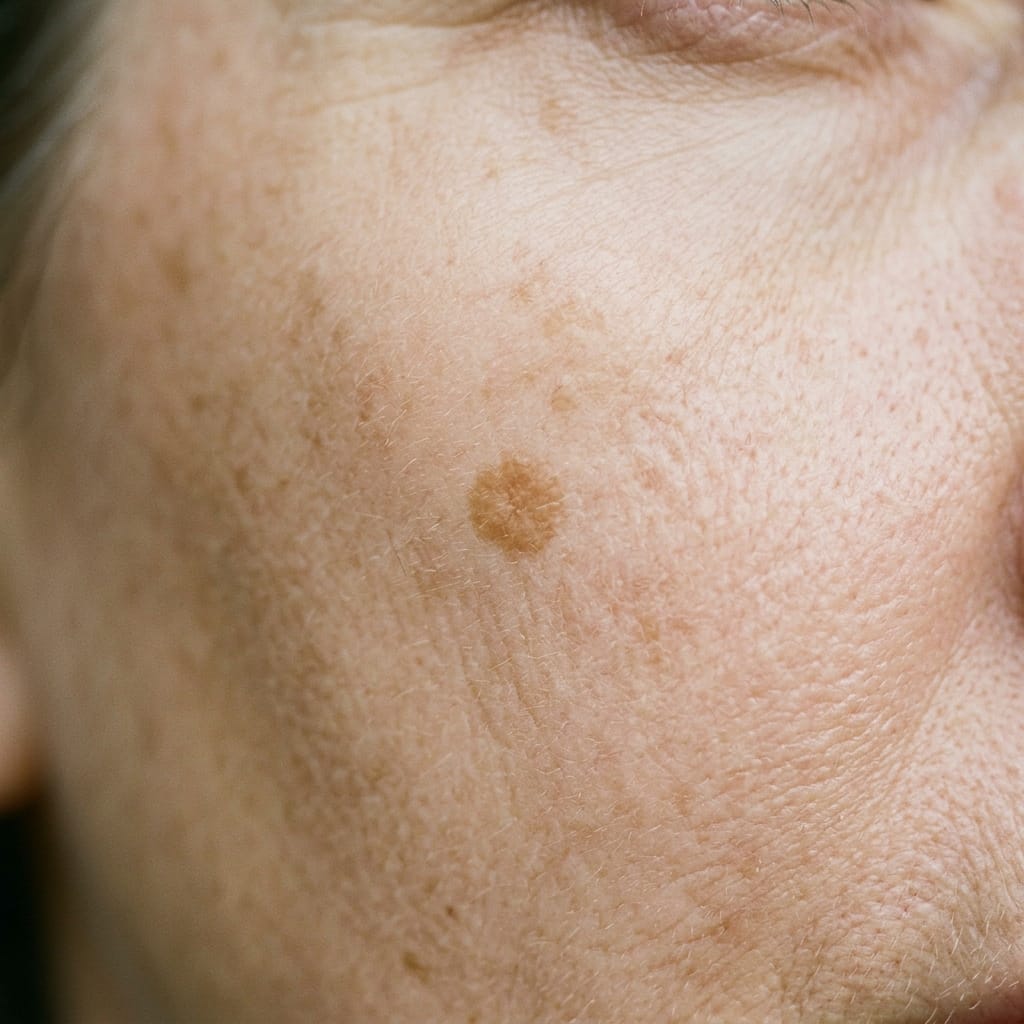
Sun spots usually appear as defined areas of brown or darker pigmentation on skin that has experienced repeated sun exposure.
Our targeted approach focuses treatment directly on these areas while protecting the surrounding skin. Following an initial assessment, treatment is tailored to your pigmentation and skin type to help create a clearer and more even-looking complexion.
Sun spots develop when UV exposure causes increased melanin to become concentrated within particular areas of the skin. Over time, this creates the flat areas of brown or darker pigmentation commonly associated with sun damage.
Where suitable, laser or light-based technology delivers controlled energy directly into the pigmented area. The excess melanin absorbs this energy, allowing the unwanted pigment to be broken down and gradually cleared through the body's natural processes.
As the pigmentation fades, sun spots can become considerably less noticeable and the surrounding skin can appear clearer and more even. The number of treatments required will depend on the size, depth and number of sun spots being treated.


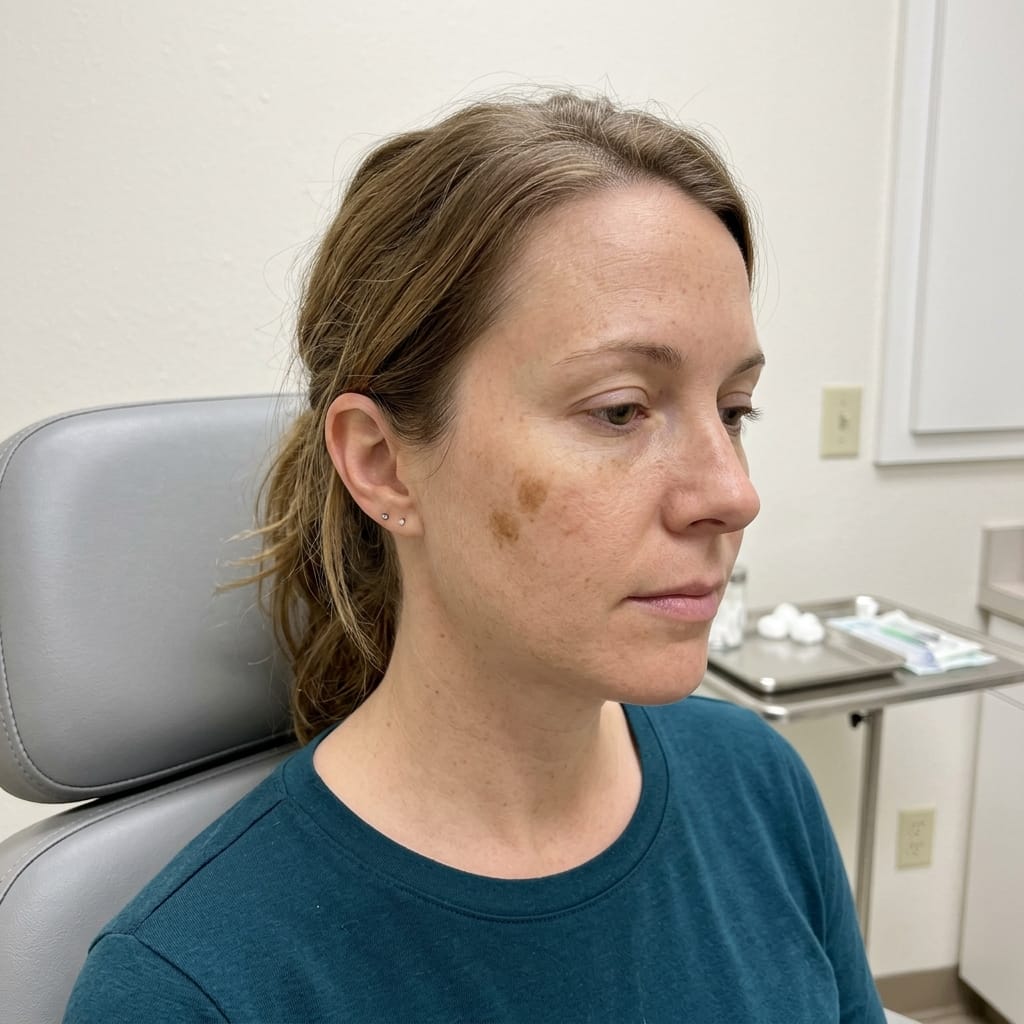
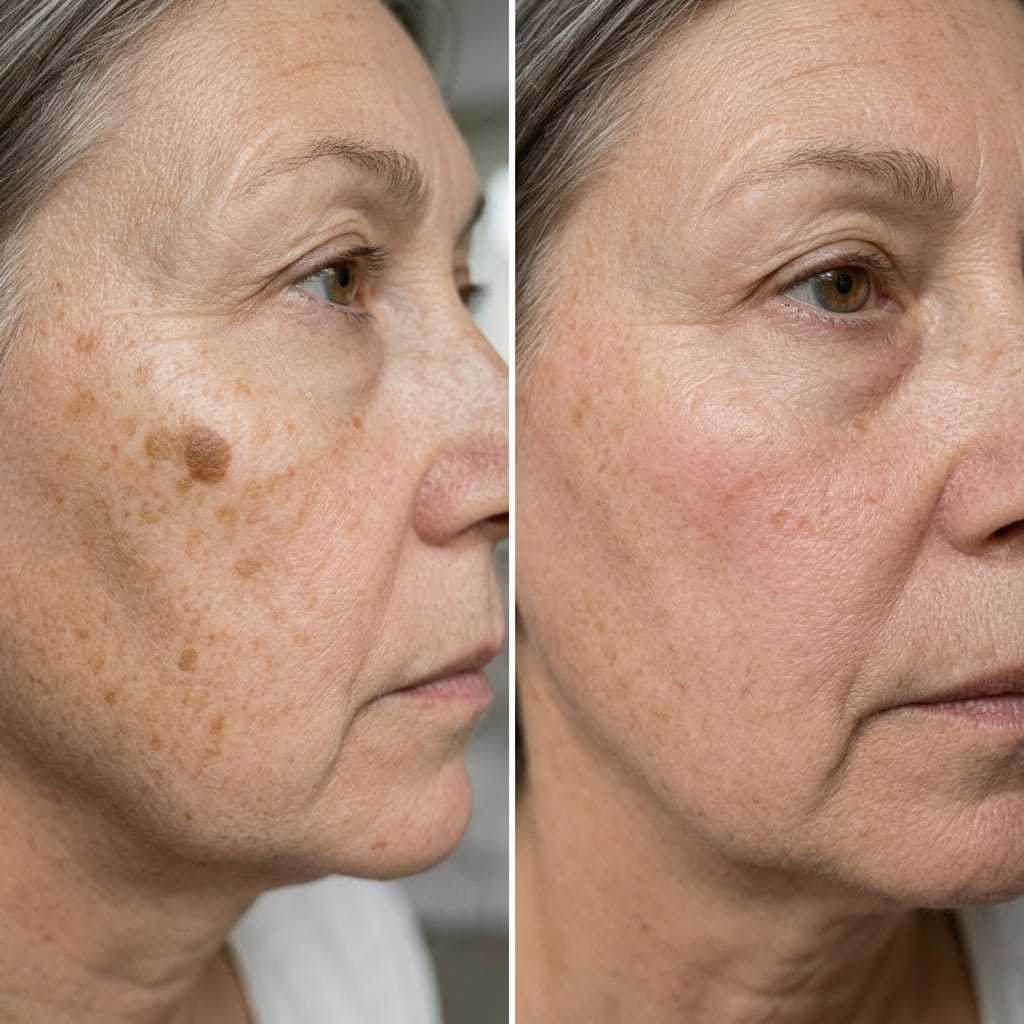
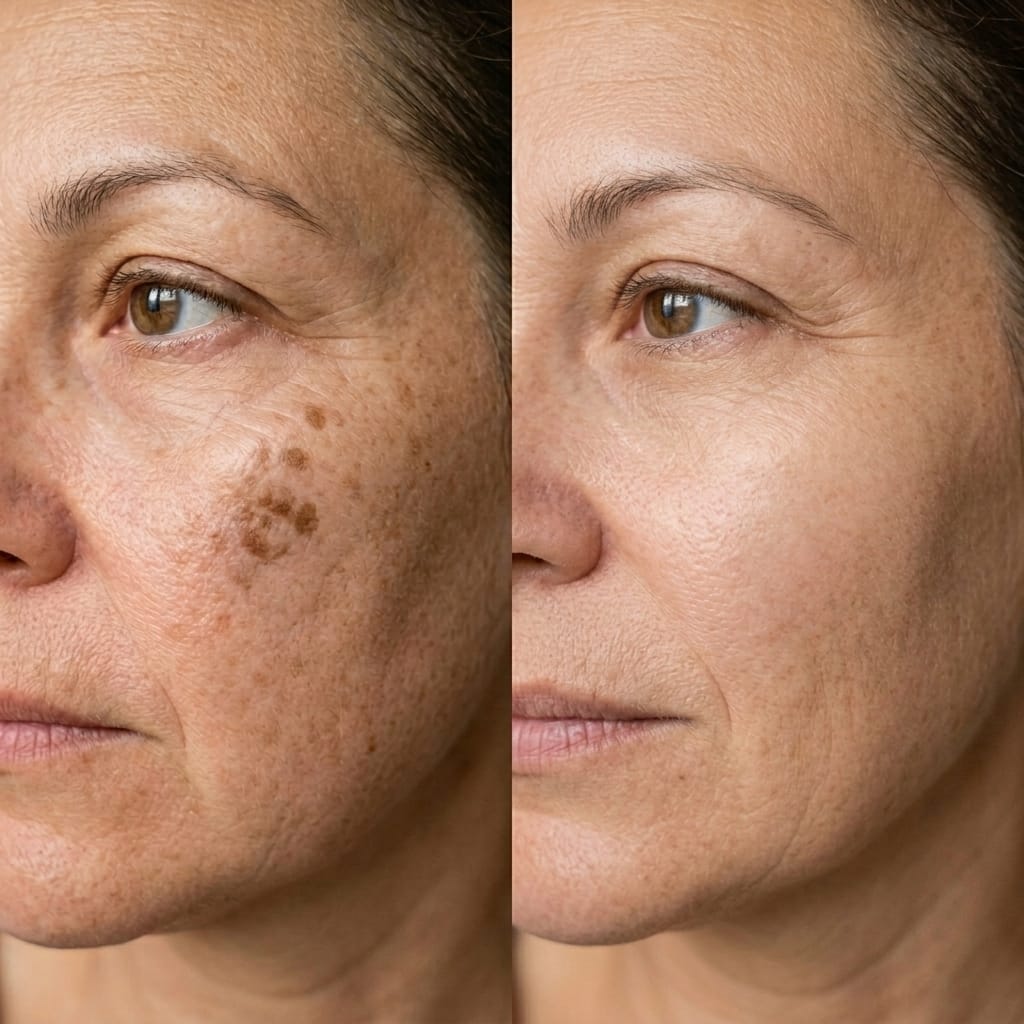
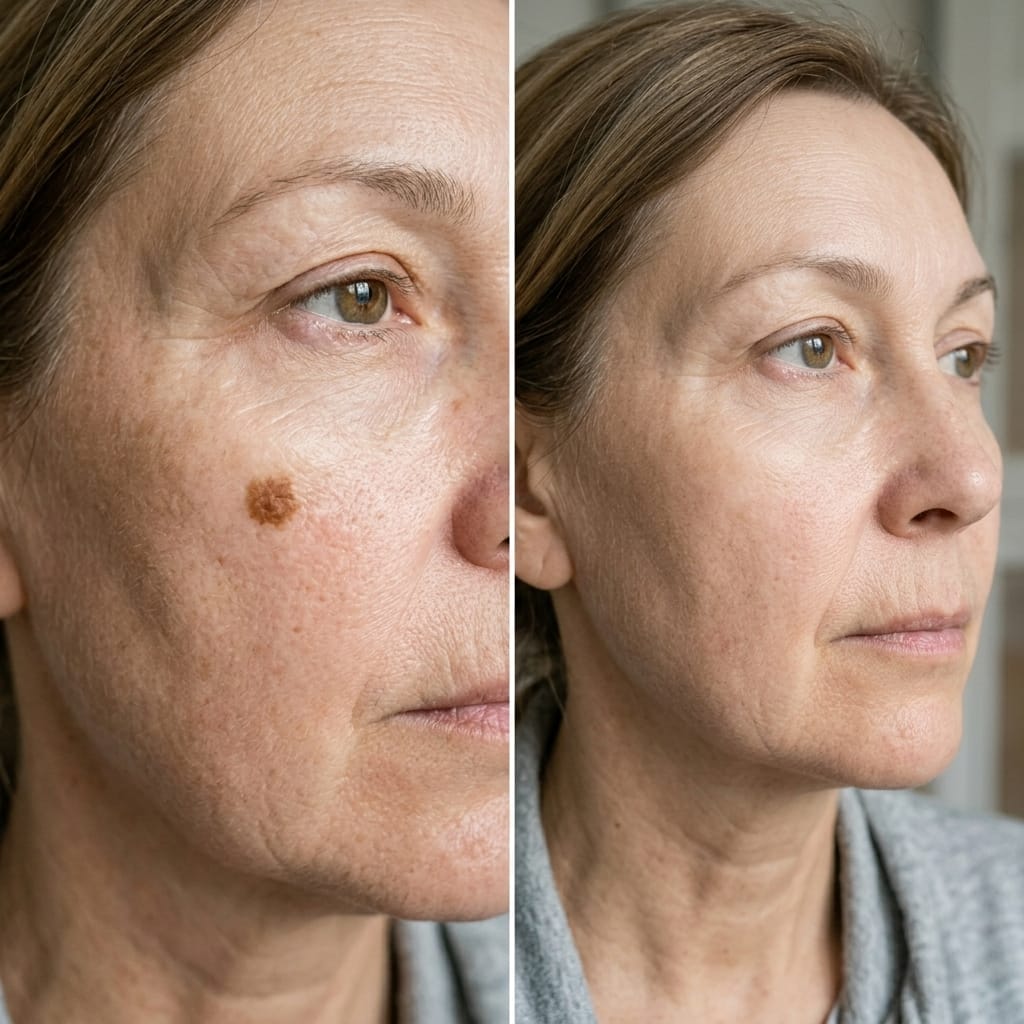
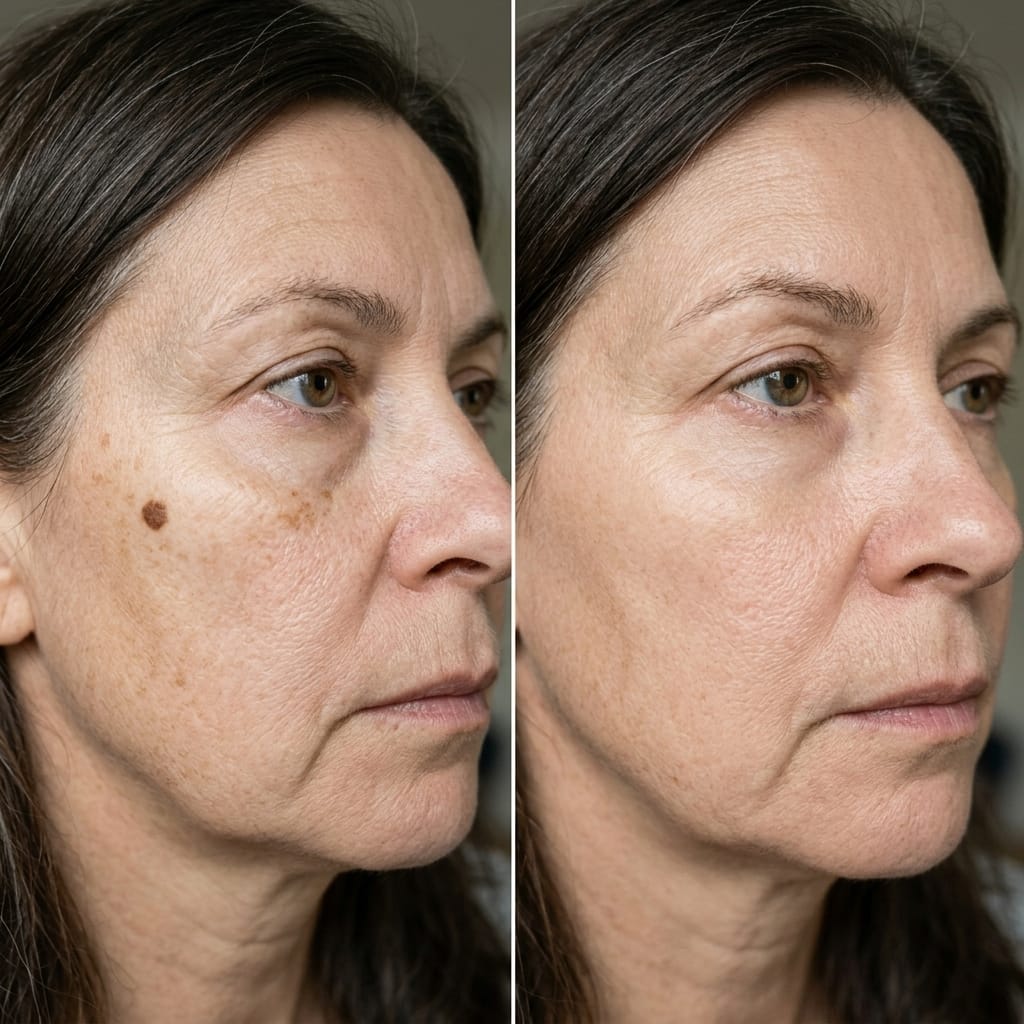
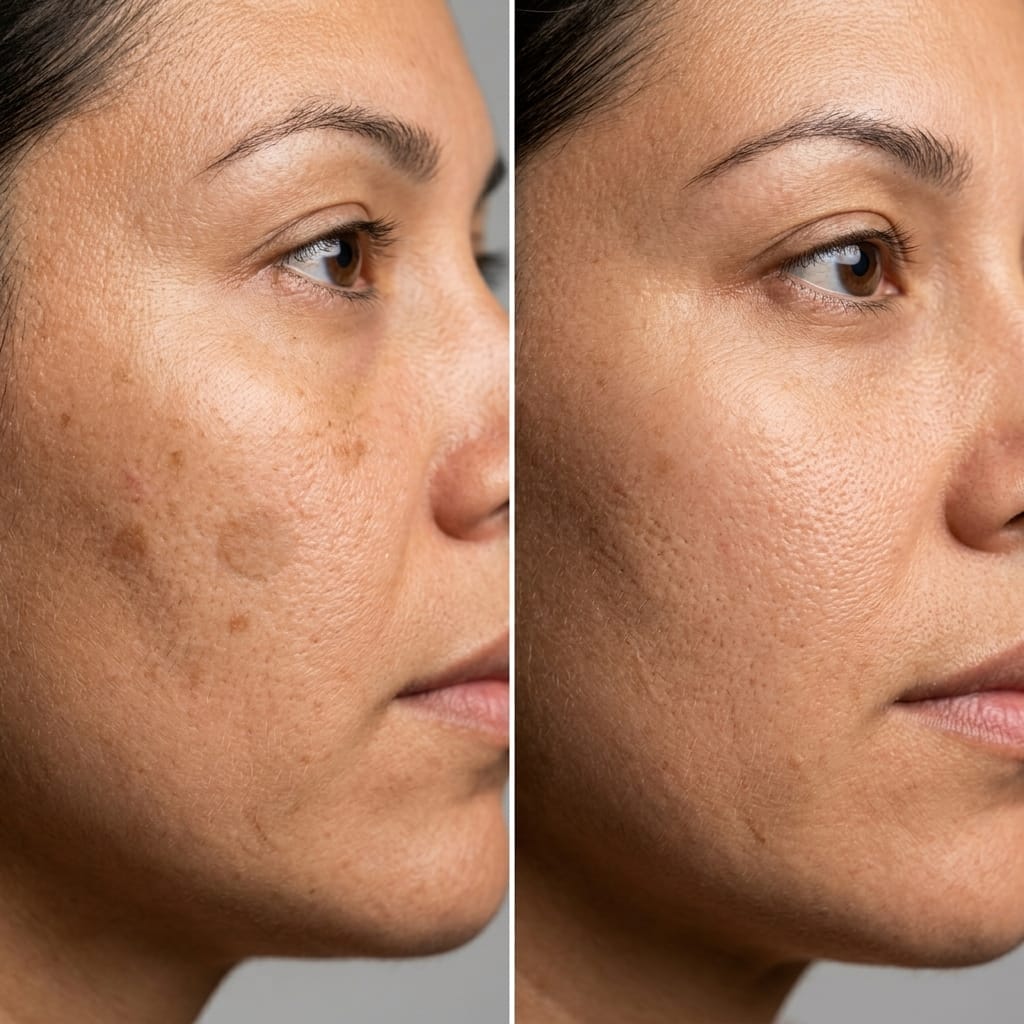
Sun spots can appear anywhere that receives regular exposure to UV light, but they are particularly common across areas that are frequently left uncovered throughout the year.
Our targeted treatments can address individual spots or multiple areas of pigmentation, with each treatment plan tailored according to the location, appearance and extent of your sun damage.
Common treatment areas and concerns include:



If you are considering professional treatment for sun spots, you may have questions about what causes them, how treatment works and what you can expect afterwards. Below, we have answered some of the questions clients commonly ask before beginning treatment.
Sun spots develop as a result of cumulative exposure to ultraviolet light. UV exposure can stimulate melanin production, causing pigment to become concentrated within certain areas and creating visible brown or darker patches.
The terms sun spots and age spots are often used interchangeably. Both commonly refer to solar lentigines, which are flat areas of increased pigmentation associated with long-term sun exposure rather than ageing alone.
Professional treatment can significantly reduce the appearance of suitable sun spots. However, treatment cannot prevent new pigmentation from developing in the future, particularly if the skin continues to receive significant UV exposure.
The number of treatments required depends on factors including the size, depth, colour and number of sun spots being treated. Your practitioner will assess your skin and recommend an appropriate treatment plan.
Common treatment areas include the face, hands, arms, shoulders and décolletage. Your practitioner will assess the pigmentation and treatment area before recommending a suitable approach.
You may experience a brief warming or snapping sensation during treatment. Comfort levels vary between individuals and according to the area being treated, and your practitioner will explain what to expect beforehand.
Downtime varies depending on your treatment and how your skin responds. Some temporary redness, sensitivity or darkening of treated pigmentation may occur before the area begins to settle.
Ready to start your journey? Book your complimentary, no-obligation consultation today. Our practitioners will assess your skin, answer your questions, and design a personalized treatment plan tailored specifically to you.